

Welcome to Joanna Poppink’s Healing Library for Midlife Women

Psychotherapy insights, tools, and support for your journey 


Poppink psychotherapy transforms self-doubt and limited beliefs into strength, growth and change.
Move from compliance to authentic living.
 
Joanna Poppink, MFT
Depth Psychotherapist
serving Arizona, California, Florida and Oregon.
All appointments are virtual.
 
Please email Joanna for a free telephone consultation.
 [email protected]


  • Home
  • Free Workbook
  • Psychotherapy
  • Joanna's Book
  • About
  • FAQ
    • Media Info
  • Contact
Table of Contents
Latest
Most Popular
Categories
Affirmations

Love in Psychotherapy: the Heart of Healing and Growth

Details
Created: 30 December 2024


Love in Psychotherapy

                                                     Swans mate for life. They are loyal in love and fierce when needed.

Love in Psychotherapy Is the Heart of Healing and Growth

Swans mate for life. They glide across the water in graceful pairs, loyal and bonded. But swans are not only gentle symbols of beauty and devotion—they are fierce when they need to be. They protect what they love. They defend their young. Real love—whether in nature, in relationships, or within ourselves—is not soft sentimentality. It is commitment, resilience, and strength. It is showing up, over and over again, even when it’s hard. This kind of love is also at the heart of psychotherapy.

We don’t often talk about love when we talk about therapy. We talk about “working on issues” or “getting help,” but love? That can feel uncomfortable—suspicious even. Yet, in my decades of work as a psychotherapist, I have found this to be true: Love in psychotherapy—expressed through trust, compassion, empathy, and deep listening—is what heals. Love is what allows us to grow and achieve emotional growth.

Read more …

Gratitude and Independence: Women's key to prevail over misogyny

Details
Created: 12 November 2024

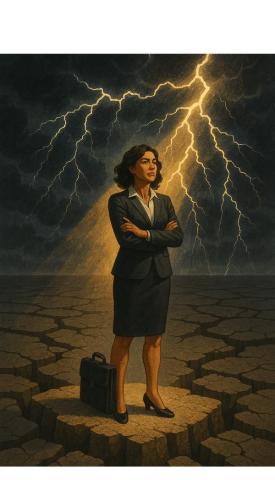
Gratitude and Independence. Determined women.

                      Gratitude and independence are more linked than ever for women after the presidential election results.

Gratitude now, in this misogynic climate?

The election results shocked me and made me sick to my stomach. Like a sudden blow that sends you reeling, I didn't feel the details of my wound until the shock began to wear off. It's real. We have a rapist, liar, felon for President. Emboldened by this misogynistic power, a "Your body, my choice" movement has begun among a specific type of angry, entitled men who want total power over women.

As we clamber to our feet, disappointed, enraged, frightened, and still in shock, we look around at what our world looks like now. And we help other women to their feet if we can.

I'm not angry at women who voted for Trump. I know they do not want assaults on their bodies. I know they want medical care when they are pregnant. I also know that many had to choose between their well-being and thinking they were voting for shelter and food for their children. It's woman's way. We put the well-being of our children before our own. With prices too high for food and a roof, they made the obvious choice.

But damn it, why should women, or anyone, be in the position of putting immediate basic survival needs over their health and well-being, over their safety on the streets and on the job?

Gratitude and independence are partners, especially now when we ask, "What have I got to be grateful for? Why should I even think about that now when I've been assaulted in the voting booth. How can I be grateful now that the law makes it possible for assaults to descend on me?

Yes, we feel outraged. That's nothing new. Women have been outraged for centuries by laws, cultural and religious rules, family expectations, and individuals controlling, groping, mauling, raping, crippling and demeaning women.

Examples:

College money for the son, not the daughter.

Higher pay for men than women who hold the same jobs.

Church, kitchen, children: Hitler's definition of the role of women is coming back.

Incest, pedophilia, rape, and "boys will be boys" mentality as women are harassed and assaulted and given more free rein.

Corsets and jeans prevent taking a healthy breath and cause a woman to faint. And then justifying a woman's faint by delighting in women swooning out of their delicacy and inability to tolerate what would never shock a man.

Remember, it's only recently that we have bank accounts and credit cards in our names. Only recently has fashion allowed women to have pockets and shoulder bags. Men could free two hands while carrying their essentials, but women could not.

But these are immediate responses. Women need more than immediate pushback and protest. We need something new, strong, powerful, pervasive, and unconquerable in us to emerge.

Letters are coming in to newspapers and advice columns from men who are stunned at the reaction from wives and girlfriends. Wives want divorces, girlfriends want their men to leave, and mothers are not inviting sons to Thanksgiving dinner.

Women are gathering for the B4 movement: no sex, no dating, no pregnancy, no marriage until this administration is gone.

But for long term positive and sustainable changes that prevail against mysogny twe first need gratitude for the power and gifts we contain.

This starts with a gratitude journal. And yes, we need that, especially now.

When a disaster strikes a home, we see survivors picking through ashes and debris for what remains intact. They are grateful for a ring, a photograph, a chair, and garden tools. Any fragment of what they had can bring tears of loss and memory. The search is for what they can find to build on.

Pairing gratitude and independence gives you a foundation. We ask: What do have e to build on? What do I have? What do you have? We must search for what we have, be grateful, and build on it to make a new beginning.

We are Robinsina Carusoes now. The ship sank. But we swim and paddle out to the wreck to find what we can use to build a new life in a new land. Let's not go back. Let's not be beaten. Let's find ways to grow using the strengths we still have. 

Gratitude and Independence. Women can use their gifts.

Use your strength to find your gifts. Be grateful for your gifts. Gratitude and Independence are a coupled force.

My gratitude begins with:

I'm grateful that so many of my treasures are in my head. I'm grateful that I'm healthy in body and mind. I'm grateful that I studied to be a psychotherapist. I'm thankful I'm a psychotherapist dedicated to empowering women and bringing them to more health, strength, and independence. I can write, like this essay I'm writing now. I'll do more.

What are your strengths? You're reading this. You are thinking. You can read. You have access to the Internet. You have access to technology. That's something to be grateful for. 

What gifts, talents, and interests do you have? What have you left unattended? Unexpressed? Unpracticed? Now is the time to be grateful for them and bring them out of your dreams and into your life. Now is the time to take action on your behalf. Others will benefit when you do. Gratitude and independence will empower you.

If you start listing what you are grateful for, you will remind yourself of your values, strengths, and abilities. You can rally and step forward into this new (or old returning landscape) of women frightened into docility and women determined to make a better life for themselves.

Races can be won by crippling the other contestants. But those races can be won with strategy, strength, training, practice, and wise choices.

Gratitude for what you have will show you what you can build on to move forward. Find your support in your efforts. Be supportive of others rallying. Cry when you need to, but keep going. We need new personal growth now, and we can get it, use it, and be better off than we ever were.

P.S. I remember getting my MFT license and looking for a job. I was offered menial positions at low salaries, basically to bring coffee to men who were licensed psychotherapists. My enthusiasm for getting a job dimmed. My energy slowed. Then I saw a headline in the Wall Street Journal about breaking the glass ceiling. Women who had been second-class citizens at work, if they could get a job in the corporation at all, quit. They went independent, created their own businesses, and bought the corporations that had demeaned them.

It was like a blood transfusion. My energy climbed, and I felt determined. I stopped looking for a job and immediately went into my private practice independently. I never looked back.

You, too, can rally your skills and determination to follow your dreams and values and build the life you want.

Books on Gratitude and Empowerment

  1. "The Gifts of Imperfection" by Brené Brown
  2. "Radical Gratitude" by Mary Jo Leddy
  3. "Thanks! How Practicing Gratitude Can Make You Happier" by Robert A. Emmons
  4. Healing Your Hungry Heart: recovering from your eating disorder by Joanna Poppink

Websites and Blogs

  1. Gratefulness.org Grateful.org
  2. Greater Good Science Center (Berkeley) Greater Good
  3. Psychotherapy Benefits: Psychotherapy and Transformation at Any Age
  4. Feelings Explored: A Woman's Roadmap to Emotional Resilience

.

Videos and Talks

  1. TED Talk: "The Secret to Happiness is Gratitude" by David Steindl-Rast

  2. "How to Build a Gratitude Practice" by Greater Good Science Center (YouTube)

Articles on Women's Empowerment and Social Justice

  1. Ms. Magazine Blog

  2. Everyday Feminism

Classic Literature on Resourcefulness and Survival

  1. "Robinson Crusoe" by Daniel Defoe
  2. "The Swiss Family Robinson" by Johann David Wyss
  3. "Hatchet" by Gary Paulsen
  4. "Man’s Search for Meaning" by Viktor E. Frankl
  5. "Wild: From Lost to Found on the Pacific Crest Trail" by Cheryl Strayed
  6. "The Road" by Cormac McCarthy


Claiming the Lost Self: An Essential Task for Midlife Women — a seven part series.
You may begin with the series introduction here.
Eating Disorders: Why does it take courage to heal?

Details
Created: 01 November 2024

                                                                                                             *

eating disorders courage to heal

Why does it take courage to heal and end your eating disorder?


When you live your life with an eating disorder, you are afraid and anxious much of the time. Courage is not an issue. You don't understand yet that it takes courage to heal. You eat or starve to feel strong instead of scared. This doesn't work. You feel strong when you reach for your binge or meticulous calorie counting. But living through the behavior only numbs you for a short time.

What you get is hope that your binge episode, grazing throughout the day, or the pain of starving yourself will end your fear and anxiety. The hope before the act may be the most positive part of your experience. Once you start eating and restricting, you feel you are in a race trying to outrun your fear.

The eating disorder is scary in itself. Every mouthful you take or deny yourself is mixed with hope, shame, and worry. Sometimes, you can binge in a frenzy, in secret, to bury yourself in a safe pit where you only stop because the physical pain is too great for you to continue. If you are bulimic, you will throw up and binge again.

So why does it take courage to heal and change this setup?

There's no courage without fear. Fear is what makes courage possible.

But we don't just reach into ourselves and pull out courage like heroines do in the movies. We are flesh and blood people with histories that led us to develop an eating disorder to protect ourselves. Our eating disorders protect us not only from the emotions in the moment but also from knowledge about our experiences that made the eating disorder necessary. And so, we focus on the emotions of the moment, soothing ourselves with our eating disorder. We never get to the cause.

But getting to the cause and realigning ourselves with energy and strength in the face of that cause is the core of stopping the eating disorder.

The problem is that the eating disorder itself will block awareness of those experiences. So, we're stuck in a never-ending cycle of suffering where we use our eating disorder to numb ourselves out of an emotionally painful experience.

In eating disorder recovery psychotherapy, we build trust first, preparing for the healing journey. You begin to rally your courage to heal. It's like preparing to climb a mountain, healing and recovery being the mountain.  You must trust that your equipment and climbing partners are strong,  trustworthy, and capable. You know you will face challenges, some of them unexpected. You want to be as ready as you can be.

Moving through the early recovery barrier involves facing and moving through fear. You can't do this all at once. We face the fear in little bits at a time. Climbing a mountain is done one step at a time. We don't take the whole mountain on in one giant leap. But even little steps require courage.

Each moment of facing increments of fear brings more self confidence. The fear remains but you stay with it a little longer each time it comes up. You postpone your acting out a tiny bit longer. You are developing your courage to heal

Too often, fear is so powerful that you believe, and many therapists think, too, that fear is the enemy that needs to be conquered for recovery to be secure.

Fear may cause you to shake and tremble. It may cause you to be dizzy and unable to concentrate. It may stimulate catastrophic thinking. But there's more involved. And you need to develop your courage to face it. Again, you face it slowly with your therapist in incremental steps.

Your eating disorder is present to keep you in line, following orders of how to be, respond, feel, and think. It governs you, so your values and behaviors, even your morals and commitments, align with an authority that is not you. Your courage to heal involves becoming a rebel.

To rebel against those orders feels dangerous and may be dangerous.

Will certain knowledge or awareness make others angry or violent? Will you lose your family or financial support? Will you be evicted from your community?

Is the fear of retaliation, real or imagined, too much to bear? Or the actual retaliation is too much to bear. Will you be criticized or cast out?

Sadly, I've had consultations with women I could not work with. these were deeply challenged women who wanted help stopping their eating disorders. They wanted a quick solution to the problem. When we explored their lives, they told me they lived a life of servitude in their marriages and their religion. They were living out The Handmaid's Tale and were dedicated and committed to it. To challenge their husbands' authority was to risk physical punishment, loss of their children, loss of financial security, and being an outcast from the community. So they remained committed to their way of life and either threw up or starved themselves as a way to make their lives livable.

Some women learned to be obedient to their fathers or mothers by turning away from their own interests, loves, passions, and goals of their souls. Living a way of thinking, feeling, and behaving tortured their sense of self. An eating disorder eased that pain, only to replace it with another.

Over time and development, some women (I have no idea of the statistics) develop the start of strength and awareness to grope their way toward a path that could lead them to their authentic selves.

Courage is required. They may part with families, marriages, jobs, hobbies, and communities that do not represent what they care about and which may be causing them harm. But they develop the strength and courage to do so as they pursue the life they know in their hearts they were designed to live.

The key to having the courage to heal is the ability to say, "No!" to what hurts your heart and soul and to say, "Yes!" to what honors your heart and soul.

How to Begin

Reading this article may be your beginning. It might have taken courage to click on the title, but you've begun.

To raise your awareness beyond knowing you are afraid, ask yourself these questions:

1.            What do I care about?

2.            What is my life's work?

3.            How will  I equip myself?

4.            Who do I want in my life?

5.            How do I want to use my time and energy?

6.            What is the source of my joy?

7.            What is the source of my sorrow?

8.            Where am I bored and compromising for someone else's benefit?

9.            Where am I exited?

10.         Where am I envious? Envy can be a clear pointer toward what you want for yourself.

11.         What are my regrets? Instead of putting yourself down with regret, use your regrets as beacons to show you the choices you want to make now and in the future.

12.         And keep creating more questions, from simple to profound. (what clothes do you prefer to wear? What movies and tv shows do you like? What games do you like to play? What people do you like to be with? What jobs do you like? What books do you like? What vacations do you like? What music do you like? Can you choose what you like, or is something or someone limiting your power to decide what you care about and value.)

As you value yourself and back up your sense of value with courage and awareness, you'll make steps toward a fulfilling life. You won't need the eating disorder to give you a hiding place. You won't need to escape from awareness. You can embrace it.

I understand that some people are in situations where they cannot break the hold of their controllers. Some countries, cultures, religions, and communities have a powerful hold over the minds and hearts of women. In such situations, more than individual effort is necessary to say "No!". But if you have an opportunity to climb the mountain to your freedom, then help is here.

Once you find your freedom, you will be able to help others. That takes courage, too, one step at a time.

Books

1.            "Healing Your Hungry Heart: Recovering from Your Eating Disorder" by Joanna Poppink

2.            "The Gifts of Imperfection" by Brené Brown

3.            "Women, Food, and God" by Geneen Roth

4.            "The Body Is Not an Apology" by Sonya Renee Taylor

5.            "The Courage to Heal" by Laura Davis and Ellen Bass

6.            "Brain Over Binge" by Kathryn Hansen

Articles & Blogs


  • Perfection as Safety through Restricting Food
  • The Power Of Journaling And Why It Matters In Your Career
  • 5 Benefits of Journaling for Mental Health
  • Keeping a Dream Journal Can Speed Eating Disorder Recovery
  • Increase the Recovery Value of Your Journal

YouTube Videos

     "The Power of Vulnerability" by Brené Brown

  • Women with eating disorders attract narcissists. 
  • How to Stop Suffering in Silence
  • Recognize abuse 
  •  "The Power of Vulnerability" by Brené Brown


*Image by Pexels from Pixabay

Please share your thoughts in the comment section below.


Written by Joanna Poppink, MFT. Joanna is a psychotherapist in private practice specializing in eating disorder recovery, stress, PTSD, and adult development.

She is licensed in CA, AZ, OR and FL. Author of the Book: Healing Your Hungry Heart: Recovering from Your Eating Disorder

Appointments are virtual.

For a free telephone consultation, e-mail her at This email address is being protected from spambots. You need JavaScript enabled to view it.

    Claiming the Lost Self: An Essential Task for Midlife Women — a seven part series.
    You may begin with the series introduction here.

    How Sleep Affects Your Weight

    Details
    Created: 24 October 2024

    How sleep affects weight gain

    Sleep: How It Affects Your Weight and Contributes to Your Eating Disorder

    Sleep Affects Your Weight and Contributes to Your Eating Disorder
    If you’ve struggled with an eating disorder and weight, you might be used to considering diet and exercise the main factors in your situation. Yet, there’s another factor, often overlooked, that is crucial toward achieving balance, recovery, and maintaining a healthy weight. That is sleep. A consistent, healthy sleep routine is a powerful aspect of your attitude toward your body, how you handle cravings, if you have cravings, and how and when you eat.

    Studies and experience show that lack of nourishing sleep relates to weight gain, difficulties in losing weight, cravings, and poor stress management.

    The Journal of the Academy of Nutrition and Dietetics published a 15-year study showing that even some sleep deprivation is associated with weight gain and a higher tendency toward obesity. These findings show what I and other clinicians have noticed for years. Less than adequate sleep is part of maintaining an eating disorder.

    The numbers are this: adequate sleep for an American adult is 7 - 9 hours a night. But, over 28% of adults get less than six hours a night. 28% of American adults are sleep-deprived.

    And, among American adults, 35% are now obese. The impact of sleep deprivation doesn't just make us tired during the day. It affects our ability to make decisions, manage stress, and understand hunger cues.

    As a clinician specializing in eating disorder recovery, I work with people who want to be free of their eating disorder. They want to healthy thoughts that enrich their lives and relationships. They want eating to be an experience of nourishment and pleasure, with no fear or guilt or worry.

    My clients want lasting relief and peace. Our work goes deeper than finding a quick fix for binge eating or restricting symptoms. Instead, we discover what sustainable recovery truly looks like and what’s required to nurture it. Examining sleep habits is an essential, often surprisingly powerful, part of this work.

    Why Sleep Matters in Recovery Work

    If you struggle with disordered eating, sleep may feel like a safe place when you are not eating or dealing with feelings about food. But the relationship between sleep and eating is complex. Some people get up in the night to eat to get back to sleep, and they may develop a continuous pattern of eating to sleep.

    What happens when you are sleep deprived?:

    • Distorted Perceptions: Your perceptions are altered. You are more likely to misinterpret what others say or mean. You can suffer from anxiety or become argumentative when the situation does not call for such a response. You can feel more vulnerable and reach for food to soothe you.
    • Emotional Vulnerability: When you are tired, you seek comfort. To a person with an eating disorder, this means reaching for high-fat, salty, creamy or crunchy, sweet, and heavy foods. You want relief from real or imagined stressful situations. This can lead to emotional eating or full-on binge episodes. 
    • Hunger and Cravings:  Research shows that sleep deprivation impacts hormones such as leptin and ghrelin that affect hunger and satiety. Sleep deprivation causes ghrelin levels to rise. This makes you feel hungrier. At the same time, your leptin levels fall. This reduces your sense of fullness. You want to eat and can easily overeat because you want quick-energy foods high in sugar or refined carbs.
      • Low Energy and Misinterpreted Fatigue:  Sensory cues get mixed up. You can easily mistake fatigue for hunger. You reach for sugar or caffeine or anything you think might boost your energy when what you really need is sleep. Sugar and carb-heavy foods willl seem especially appealing.
      Adequate sleep will not cure an eating disorder. But it will give you more access to your healing process. Seemingly out-of-the-blue and irresistible cravings won't sideline you. You'll have a better opportunity to experience more time in a stable condition. You will be more able to work through the deep issues that create and govern your eating disorder.

    Your Sleep Check: Questions to Assess Your Sleep Patterns

    It’s essential to examine how you view and prioritize sleep in your life and understand the quality of the rest you’re currently getting. Here are some questions to help you gain insight:

    • Do you often nod off unintentionally, such as in front of the TV or while reading?
    • Do you avoid getting into bed to sleep and instead fall doze in a chair or your day clothes?
    • Do you need an alarm to wake up, and do you often hit snooze?
    • Are there times when you sleep for extended hours (10, 12, or even 14 hours) in a single stretch?
    • Do you rely on caffeine or energy drinks to get through your day?
    • Do you pride yourself on getting by with minimal sleep, thinking you need less than others?
    • Do you have bouts of insomnia?

    Practical Steps for Developing a Sleep Routine

    So, how can you establish a healthy, consistent sleep routine that will support your recovery and overall well-being? Here are some guidelines:
    1. Give yourself a consistent sleep schedule: Set a bedtime and wake-up time that you can maintain, even on weekends. Your goal is to work up to eight-hour chunks. Be patient with yourself. You may begin with two or three-hour chunks and have difficulty falling asleep. Over time, your body will trust you and give you longer sleep bits as you move toward your goal.
    2. Move into sleep time with care and respect.
    It would be best to avoid screen time for at least an hour before bed. You can read a book, but nothing on your phone or iPad—relaxation exercises, including deep breathing and soothing mental imagery, help, too. A simple body scan can help you relax your muscles.

    3. Your sleeping space. The best temperature for sleeping is between 60 and 65 degrees and a humidity level of under 60. Your space should be dark and quiet, which is soothing and increases your ability to produce melatonin. Be creative. Perhaps these conditions are natural to your sleeping environment. But maybe you need to wear a sleeping mask that blocks out light or hang blackout curtains. Maybe you need a white noise machine. Be careful with that. You need lots of space between you and working technology.

    4. A no-brainer is to limit caffeine or any stimulant. They remain in your system for hours. Even decaf drinks contain some caffeine. So does chocolate. Skip the caffeine completely if you can. If not, work up to that by only taking in caffeine in the morning.

    5. Keeping a journal is good for many things. If you already keep a journal, use a few sentences to describe your sleep experiences. You can discover what seem like little things that disturb your falling asleep. You may need to put your phone on silent. You may need to stop eating earlier. You may find that you sleep better when the door to your room is partially or fully closed.

    Benefits of giving yourself quality sleep

    Sleep and Eating Disorder Recovery

    Quality sleep is part of your life in recovery and your ability to maintain your healthy weight. Nourishing your body and mind with quality sleep is as important as nourishing yourself with quality food you take in regularly. When well-rested, you’ll be better equipped to face challenges without needing the immediate comfort or distraction that food can provide.

    Benefits of giving yourself quality sleep:

    • Emotional Resilience: You are better able to make choices that are realistic and in harmony with your long-term goals.W
    • Mindful Eating: You are more aware of what you are eating. You are not eating for immediate relief. You can recognize hunger and fullness which weakens your tendency to binge or restrict.
    • Better Decision-Making: Your rested brain can think better. Your mind is sharp. You make decisions that support your health and well-being.

    As Shakespeare wrote:

    "The innocent sleep,
    Sleep that knits up the ravell’d sleave of care,
    The death of each day’s life, sore labour’s bath,
    Balm of hurt minds, great nature’s second course,
    Chief nourisher in life’s feast."

    Sleep offers respite and essential nourishment in a world of pressures and expectations. Before you adjust your diet or increase your exercise, consider beginning with sleep. Investing in a consistent, healthy sleep routine gives you the gift of stability, resilience, and a more straightforward path forward in your recovery.

    Take some time to reflect on your relationship with sleep, examine any patterns, and consider the role it might play in your overall well-being. You may find that sleep issues have a more significant impact on your life, your eating disorder, and your weight than you realize.

    References and further information

    A long-term study in the Journal of the Academy of Nutrition and Dietetics found that even partial sleep deprivation was associated with weight gain, reinforcing the notion that chronic sleep deprivation can exacerbate or even trigger unhealthy eating behaviors. This finding is echoed by experts at UCLA, who note that sleep deprivation can interfere with hormone regulation, specifically leptin, and ghrelin, which help control appetite and feelings of fullness. A lack of sleep disrupts the balance of these hormones, leading to increased hunger and cravings for high-calorie, carbohydrate-rich foods that provide quick energy but may contribute to weight gain and unhealthy eating patterns.

    Sleep can be especially important for individuals recovering from eating disorders. Poor sleep can increase stress and emotional vulnerability, making it harder to resist binge eating or restrictive behaviors that may seem to provide temporary relief from emotional distress. UCLA’s insights explain that inadequate sleep impacts the brain’s reward system, leading people to crave foods that offer a brief sense of comfort and satisfaction. When this craving is coupled with emotional fatigue and reduced self-control, it can increase the likelihood of engaging in disordered eating behaviors.

    As part of a recovery-focused routine, sleep hygiene—maintaining consistent sleep and wake times, limiting screen exposure before bed, and avoiding caffeine late in the day—can greatly support healthier eating behaviors and emotional resilience. In Anti-Diet by Christy Harrison, readers are encouraged to view sleep as part of overall wellness, not just a passive activity but an essential component of recovery. By getting enough sleep, individuals may be better equipped to manage emotions, reduce cravings, and engage more fully in therapeutic work.

    Several excellent resources offer deeper insights if you seek guidance in this area. More Than a Body by Lexie Kite and Lindsay Kite explores body image resilience, which sleep and other wellness practices can profoundly impact. For those navigating the medical aspects of eating disorders, Sick Enough by Jennifer L. Gaudiani offers a comprehensive look at how physiological and emotional health are interlinked and how restorative sleep is essential in sustaining recovery and health. Websites like UCLA Health provide additional tips for building healthy sleep routines, from creating a dark, cool, and quiet environment to setting a regular schedule and avoiding screens before bed.

    In your journey to eating disorder recovery or weight management, consider sleep not as a luxury but as a core component of overall well-being. By prioritizing sleep, you can foster better emotional balance, mitigate stress-related eating triggers, and ultimately support your path toward lasting health and wellness.

    Here is a list of references on how sleep affects weight management and eating disorder recovery:

    1.Journal of the Academy of Nutrition and Dietetics - Long-term studies on sleep deprivation and its correlation with weight gain highlight sleep's role in maintaining a healthy weight. This journal provides a scientific foundation for understanding the connection between sleep and eating habits.

    2. UCLA Health - Their insights on how sleep influences hormone regulation (leptin and ghrelin) and cravings show the critical link between sleep quality and food choices, especially for those managing weight and eating disorders​

    3. Anti-Diet by Christy Harrison examines the broader impact of wellness, including the importance of sleep in promoting healthier eating behaviors and emotional stability.

    4. More Than a Body by Lexie Kite and Lindsay Kite - This book emphasizes body image resilience and wellness practices, including the significance of sleep in managing stress and maintaining a balanced relationship with food.5. Sick Enough: A Guide to the Medical Complications of Eating Disorders by Jennifer L. Gaudiani - A comprehensive resource that addresses how physiological factors like sleep contribute to overall recovery from eating disorders, with practical medical advice for managing health holistically.

    5. Centers for Disease Control and Prevention (CDC) - CDC research includes data on sleep deprivation and its effects on health, highlighting that nearly a third of adults sleep less than the recommended amount, which has wide-ranging implications for physical and mental health.

    6. National Institutes of Health (NIH) - Their research on sleep deprivation’s effects on mental and physical health includes the role of sleep in regulating emotional responses and maintaining a healthy weight.

    For additional information, UCLA Health offers a helpful article on how sleep deprivation affects food choices and weight management:

    Macbeth (2.2.46-51)

    Not Only Amount, But Timing of Sleep Can Be Important for Mental Health

    See: Healing Your Hungry Heart: Recovering from Your Eating Disorder, chapter 5, "Boundaries: a challenge in early recovery."


    Please share your thoughts in the comment section below.


    Written by Joanna Poppink, MFT. Joanna is a psychotherapist in private practice specializing in eating disorder recovery, stress, PTSD, and adult development.

    She is licensed in CA, AZ, OR and FL. Author of the Book: Healing Your Hungry Heart: Recovering from Your Eating Disorder

    Appointments are virtual.

    For a free telephone consultation, e-mail her at This email address is being protected from spambots. You need JavaScript enabled to view it.

    For a free telephone consultation, e-mail her at This email address is being protected from spambots. You need JavaScript enabled to view it.


    Claiming the Lost Self: An Essential Task for Midlife Women — a seven part series.
    You may begin with the series introduction here.

    How to Make Friends and Support Your Eating Disorder Recovery

    Details
    Created: 10 October 2023

    How to make friends Shared activities with friends are fun and boost your health.

    How to make friends is a skill we need as we move through life. Plus, friendship plays an important part in continued eating disorder recovery. Isolation can be familiar and life-draining.

    Wandering through grocery store aisles in a state where you feel invisible, just looking for foods that will be good for a binge, is practice for continued isolation. You feel invisible, but what's happening is that the people in the store seem almost ghostlike. It's not that they don't see you. It's that you don't see them.

    When you are on the path to recovery, your eating or not eating may be more in harmony with your body's needs. But without friendship, you may roam through your days looking for stimulation and not seeing people.  You may miss opportunities to make friends. You may believe you are as invisible as ever.

    Read more …

    Secret to a Success Journal

    Details
    Created: 30 May 2024

    secret to a success journal

                                                                                           Secret to success journal


    What’s your journal for? Do you know the secret to making your journal a guide to success?

    • You miss the value of using a success journal if your journal is just a dumping ground where you throw in your thoughts, feelings, dreams, things you said or wish you had said, to-do lists, and ideas, essentially treating it like a trash bin. You get only the minimum value from this process.  It’s like the trash bin in your kitchen. You are not littering your home or the counters. You’ve stopped any smell from developing. You prevented any vermin from being attracted. You send the contents to a larger trash bin and then the city dump.
    • A better approach is to use your success journal as a clearinghouse. You review the contents regularly to ensure you haven’t lost anything valuable. Most of the contents may not be worth saving. However, some of it reminds you of something you've forgotten. Some of it brings up feelings that surprise you. You may want to reconsider some of it.
    • But the secret to a success journal is to make it a conversation. Creating an honest dialogue with it is the secret to getting total value from your journal. 

    Read more …

    Friends Change as You Heal in Eating Disorder Recovery

    Details
    Created: 26 February 2009
    Eating Disorder Recovery Experience: losing and making friendsFriends change as you heal and mature. Being in harmony with your true self attracts new and more healthy relationships. *

    When you have an eating disorder friends who are attracted to you are attracted to who you are and how you respond with your eating disorder intact. Friend change as you change throughout your recovery work.

    How you and your friends change as you recover

    When you are deep in your eating disorder your friends and associates have a relationship with a sick person.  When you start to get well your attitudes, choices and responses change. Your friends' responses will change too.

    Read more …

    Mature Women: Issues After Eating Disorder Recovery

    Details
    Created: 01 January 2019

    Mature Women's Issues Long After Eating Disorder RecoveryTo mature women: Regardless of your age, size, shape, color, mental or physical health or political situation, the glorious free and visionary you is always alive within you.

    A mature woman, decades after eating disorder recovery, may live a life fraught with relationship, career and self-esteem difficulties. You are no longer starving, binging or purging, but you still suffer from painful issues in your life, particularly self-doubt.

    If you went through effective psychotherapy you found your way to ending your eating disorder behaviors. As a mature woman today, maybe you rarely think of those starving, binging, food-obsessed days and nights.

    Yet underlying psychic structures of the eating disorder can still be present, ready to spring into action when you are threatened by more than you can bear or allow yourself to see or know.

    Read more …

    1. Bias confessions of a psychotherapist: overeating recovery
    2. Guarantee for Recovery in Psychotherapy? Find Out Here.
    3. Were You Alone and Binge Eating at Christmas? How to Ground Yourself.
    4. Eating Disorder Slip over the Holidays: find meaning and recovery
    5. Eating Disorder Self Care in the New Year: Start at any time
    6. Eating Disorders and Coping with Feelings after New Years
    7. Perspective on Eating Disorder Recovery and Relapse
    8. Eating Disorder In-Patient Experience
    9. Five Stages to Healing and Recovery
    10. Cure for Boredom and Being Stuck
    11. What Powers Our Dedication, Commitment, Relationships and Career Choices? Meaning Versus Sensation
    12. Self-Talk for More Personal Space and Freedom
    13. Virtual Psychotherapy: What's It Like? A Video
    14. How Are You Holding Up? Depression, Anxiety, Eating Disorders Emerging Show Us What We Need Now
    15. Why Start Psychotherapy?
    • 3
    • 4
    • 5
    • 6
    • 7
    • 8
    • 9
    • 10
    • 11
    • 12

    Best Eating Disorder Blogs

    Good Faith Estimate as required by the No Surprises Act


    Eating Disorder Hope member badge

    EDReferral.com member badge

    Mental Health Match Badge

    Who's Online

    We have 569 guests and no members online


    User Tools

    • Login
    • Logout
    • Reset Your Password
    • Send Registration Reminder
    • Register

    Healing Your Hungry Heart - the book

    • Welcome
    • HYHH Website
    • Joanna's Book
    • Media Info


    Grab a feed for this page!

    Copyright © 2025

    • Terms & Conditions
    • Site Map
    • Privacy Policy
    • Copyright